
Peptides.io™ Goals
Sleep
Deep, restorative sleep and a steady circadian rhythm
Start with the basicsWhy it’s confusing
Let’s make sense of sleep.
Lots of advice, little evidence
Everyone has a sleep tip; very few hold up when you check the research.
Supplements over-promise
Melatonin and sleep stacks are everywhere. What they actually do is another question.
Where do peptides fit?
You have seen peptides mentioned for sleep — but is there real science behind it?
Hard to find honest answers
Most pages want a sale. You just want to know what works and what does not.
It’s not you — the information out there is a mess. Here’s the clear version.
Start with the basics ↓The research
Peptides studied for sleep
The honest answer: no peptide has good evidence for sleep, and the famous “sleep peptide” failed its FDA vote. Start with the sleep guides below instead.

The “deep sleep” peptide. 50 years of mixed results; FDA advisers voted against it.
Read the simple guide →
Studied for sleep rhythm. The evidence is old and thin.
Read the simple guide →Overview
What you need to know.
Sleep is the most underrated health tool you have. It affects everything — your energy, mood, weight, immune system, focus, and how fast you recover from exercise or illness. Most adults have room to improve their sleep — and small changes make a big difference. The good news: sleep is fixable. Small changes to your environment, habits, and timing can make a big difference. This page covers what the research says about optimizing sleep and the tools that can help.

Getting started
Where to start with Sleep
Fix Your Schedule
Set a consistent bedtime and wake time. Stick to it for 2 weeks straight — including weekends.
Fix Your Environment
Dark room, cool temperature (65-68F), no screens in bed. These three changes alone make a significant difference.
Fix Your Timing
Morning sunlight within 30 minutes of waking. No caffeine after 2pm. Dim lights 2 hours before bed.
Start here
Poor Sleep and Insomnia, Made Simple: What Really Helps
Tossing and turning every night? Here is what insomnia is, what really helps, and the honest truth about the sleep…
Good to know
Quick tips
Keep the same bedtime and wake time every day — including weekends. Consistency is the most important factor.
Get bright light within 30 minutes of waking. This sets your circadian clock for the entire day.
Stop caffeine by early afternoon. Caffeine has a 5-6 hour half-life — that afternoon coffee affects your sleep.
Keep your bedroom at 65-68 degrees. Your body needs to cool down to fall asleep.
Reducing alcohol improves deep sleep quality significantly before bed. It may help you fall asleep but significantly reduces deep sleep quality.
If you are still awake after 20 minutes, get up and do something boring until you feel sleepy.
Sleep
Guide Library
Guides to help you make informed decisions.
Start Here
1New to this? Begin with these guides.

Peptide Guides
1Individual peptide profiles and research.

Deep Dives
2In-depth educational content and research.
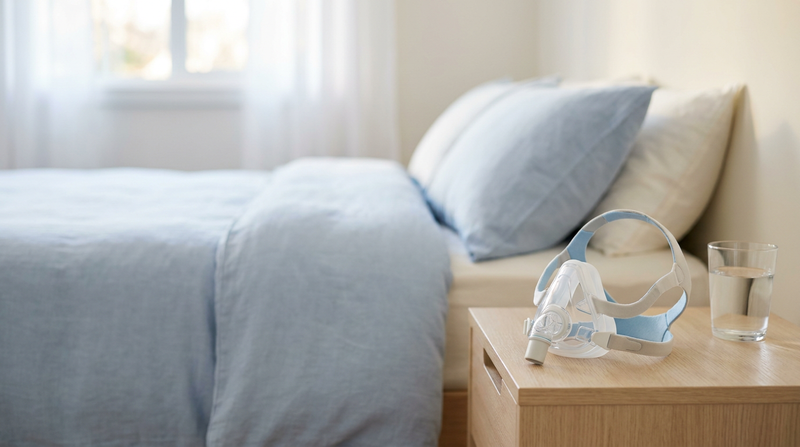
Zepbound® for sleep apnea: what the evidence shows
Sleep apnea steals your rest and leaves you tired all day. Zepbound is a new option for some adults who live with obesity and this condition.
Read Guide
Poor Sleep and Insomnia, Made Simple: What Really Helps
Tossing and turning every night? Here is what insomnia is, what really helps, and the honest truth about the sleep peptides people ask about.
Read GuideFAQ
Common questions
How much sleep do I actually need?
Is melatonin safe to take every night?
Do sleep trackers actually work?
What supplements help with sleep?
Could I have a sleep disorder?
Keep exploring
Explore other goals








Related data
- Which peptides are FDA-approved →Approval status for every peptide, from Drugs@FDA
- Which peptides have clinical evidence →Registered clinical trial counts from ClinicalTrials.gov
- Peptide legality by US state →A sourced verdict for all 50 states