
START HERE
What Are Peptides?
The five-minute answer, made simple
No medical degree needed. Promise.

Betty: Hi! I’m Betty. People make peptides sound complicated. They are not. Give me five minutes and you will get it, I promise.
01
What a Peptide Is
Think of it like the alphabet.
Amino acids are like letters. They are tiny building blocks your body uses all day
Put a few letters together and you get a short word. That is a peptide
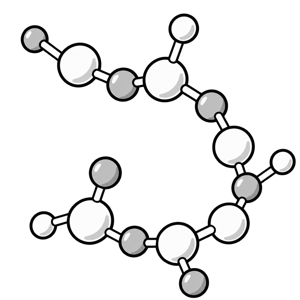
Put lots of letters together and you get a long sentence. That is a protein
Your body reads these words as instructions: do this, fix that, feel full

Ace: That really is the whole secret. Letters make words, words make sentences. Amino acids make peptides, peptides make proteins. Everything else on this site builds on that.
02
Your Body Makes Them All Day
You already run on peptides. Right now.
Insulin is a peptide. It tells your body what to do with sugar from food
Endorphins are peptides. They are your built-in feel-good signal
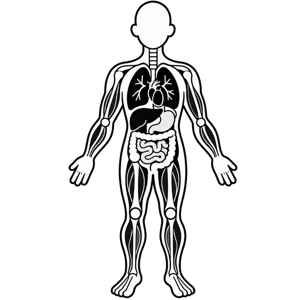
Peptides help run hunger, sleep, mood, and healing
Making them is normal body business. Nothing exotic about it
03
How Small Is Small?
Scientists draw the line by counting the building blocks.
Chain of 2 to 50 building blocks: scientists call it a peptide. Longer than that, they call it a protein
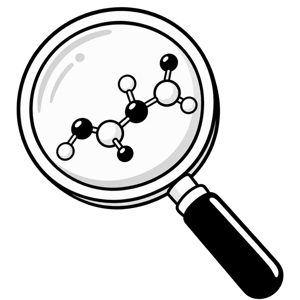
2–50
building blocks. That is all a peptide is
04
Where You Meet Them In Real Life
The weight-loss shots
Skin serums
Collagen powder
Your own body

Ace: The famous weight-loss shots? Lab-made peptides. The copper serum in your bathroom? A peptide. The collagen tub in the kitchen? Peptides. Different jobs, same family.
05
Why People Use Them
Because peptides are messages. And sometimes the body could use a nudge.
A lab-made peptide is like mailing your body a copy of a message it already knows how to read
The weight-loss shots mail a “you are full” note, so eating less feels natural

Copper serums nudge skin to repair itself. Collagen powder hands the body spare building blocks
That is the whole idea: turn up a signal the body is not sending enough of on its own
06
The Three Buckets
This is the part that keeps you safe. Every peptide product fits one bucket.
Bucket 1: Approved medicines. Tested in big studies, approved by the FDA (the agency that decides which medicines are safe to sell), prescribed by a doctor
Bucket 2: Everyday products. Supplements and skin creams, like collagen powder and copper serums. Fine to buy, gentler claims
Bucket 3: Research-stage. Studied mostly in labs or animals — not proven safe in people. Many are sold “for research only,” are not quality-checked, and a doctor should be involved before anyone tries them.
Knowing the bucket tells you how much to trust what you read
07
So… Do They Work?
The honest answer, which is the only kind we do.
Some are proven medicines. Some are everyday products with gentler, less-proven claims
Many are mostly hype, riding on the famous ones

So the smart question is never “do peptides work?”
It is “which one, for what?” Every peptide does a different job

Betty: When someone asks me “do peptides work?” I always say: that is like asking “do tools work?” A hammer is great, but not for painting a wall. Which one, for what?
08
How To Be Smart About It
Four habits that protect you out there.
Check the bucket first: medicine, everyday product, or research-stage
If a website promises miracles, close the tab

Anything you inject or swallow deserves a doctor conversation first
We will always tell you the honest version, even when it is boring

Betty: That is it! You now know more about peptides than most of the internet. Want to see which ones are being researched for a goal like yours?
See what’s being researched for YOUR goal
Every peptide is researched for something different. Tell us the goal you want to learn about, and we will point you to the honest starting point.
Take the 60-second quiz →Sources Harvard Health: Peptides, what they are, potential benefits, and safety concerns · MedlinePlus: Amino acids
Important: This page is for education only and is not medical advice. Talk to a doctor before starting any therapy. Nothing on this page sells anything, and we like it that way.
Different peptides, different jobs. Which one are you trying to learn about?
Not sure? Take the 60-second quiz →
Comments