
5 THINGS TO KNOW ABOUT
BPC-157
A lab-made peptide studied for healing and recovery
A peptide is a tiny chain of protein building blocks your body also makes.

Betty: Hi, I’m Betty! Fun fact: scientists first found BPC-157 in stomach juice. Your gut makes a protein that helps it heal. BPC-157 is a lab-made copy of a tiny piece of that protein. Now scientists want to know if it can help other parts of the body heal too.

Ace: A hurt body part can only heal if it gets fresh blood. Blood brings the oxygen and materials that healing needs. In animal studies, BPC-157 helps grow new blood vessels right into the wound. The big word for that is angiogenesis3 — but it just means “new pipes.” The honest catch: almost all of this is in rats and mice. The first human trial is only just starting.4

Betty: So here is the simple version: in animals, BPC-157 acts like a tiny plumber laying new pipes so a wound can heal. That is exciting! But a lot of things that work in mice do not work in people. So it is a maybe, not a sure thing. If you are curious, ask a real doctor — not a random seller.
What BPC-157 Is
Where does it come from?
Your gut makes a protein that helps it heal.
BPC-157 is a lab-made copy of a small piece of it.
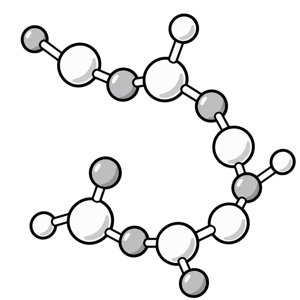
Its name is short for Body Protection Compound.
It is very small — just 15 amino acids (the tiny beads that make up every protein).
How It Works
What does it do in your body?
When you get hurt, your body sends out “fix it” signals.
In animals, BPC-157 seems to make those signals stronger.
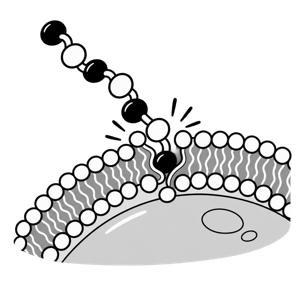
It helps grow tiny new blood vessels — like new pipes that bring food and oxygen to the hurt spot.
That can help the spot heal faster.
What the Research Shows
Here’s the part you really need to hear.
Most studies are in mice and rats. Very few have been done in people.

1st
human trial is only just starting. In people, we still don’t know.
What It’s Explored For
What scientists study it for:
Tendon & ligament
Gut lining
Muscle recovery
Joint comfort

Common questions about BPC-157
Short answers to what people search for most. The sections above have the full picture.
What is BPC-157?
A 15-amino-acid fragment of a protein found in human gastric juice, synthesized in the lab. Almost everything known about it comes from rodent studies of tendon, muscle, gut and blood-vessel healing.
Is BPC-157 FDA-approved?
No. In 2023 the FDA placed BPC-157 in Category 2 of its compounding lists — substances it says raise significant safety concerns and may not be compounded. It has never been approved for any use. Which peptides the FDA has cleared →
Is there any human evidence?
No completed, controlled human trials have been published. The healing claims online come from animal studies, which often don't translate to people. Clinical evidence for BPC-157 →
Is BPC-157 legal?
It's sold as "research use only" material, which is not legal to market for human use, and it can't be compounded by pharmacies. Peptide legality by state →
Is it banned in sports?
Yes. The World Anti-Doping Agency has listed BPC-157 as a prohibited substance since 2022.
What are the side effects?
Unknown in humans — that's the honest answer, and the reason the FDA flagged it. There is no safety database because there are no human trials.
Sources
Every number on this page traces back to one of these — FDA labels and announcements, peer-reviewed trials, and clinical references.
The science is still being written
BPC-157 is one of the most-studied research peptides — and the human chapter is just beginning. We will keep this page current as new studies and FDA decisions land.
Browse our peptide guides →Important: This page is for education only and is not medical advice. BPC-157 is not FDA-approved and is not on the FDA 503A compounding list (the FDA’s list of ingredients pharmacies are allowed to mix into custom medicines). Most research is early, done in labs and animals, with limited reliable human data. In July 2026, a group of outside experts who advise the FDA voted in favor of letting pharmacies make it, but FDA staff disagreed. That vote is advice only. The FDA has not made its official final decision as of August 2026, so this could still change. Nothing here is an offer to sell or a recommendation to use BPC-157.
Different peptides, different jobs. Which one are you trying to learn about?
Not sure? Take the 60-second quiz →
Comments