
7 THINGS TO KNOW ABOUT
GHK-CU
The friendly visual guide to the copper peptide for skin


Betty: Hi! I’m Betty. GHK-Cu sounds like a robot name, but it’s really a tiny copper peptide your own blood has made since the day you were born. Think of it as a little repair note your body slips to your skin — build, mend, stay springy. When you’re young, your blood leaves these notes all day long. As the years pass, fewer get delivered — a big reason skin starts to slow down.

Ace: Peptides are short strings of amino acids (the building blocks of protein), little messengers your body already uses.2 The Cu is copper — the same metal as a shiny penny. Each copper note carries one message: make more collagen and elastin (the proteins that keep skin firm and springy) and repair old damage.1 The honest number: in one 12-week cream study, about 7 in 10 people grew more collagen.1 Not everyone — but a strong showing.

Betty: Best part? Putting those notes back is easy — the serums need no prescription, and they’re gentle next to retinol. The cosmetic evidence for firmer, smoother-looking skin is real, so give it 8 to 12 weeks, snap your photos, and never, ever skip the sunscreen. Your skin’s oldest friend just needs a little patience!
What GHK-Cu Is
The story starts inside you: a tiny copper peptide your own blood already makes — and makes less of every year.
A natural copper peptide — a tiny repair note that tells your skin cells what to do
One of the most studied peptides for skin
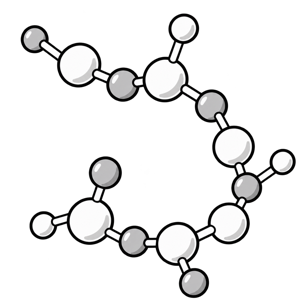
Comes as a rub-on serum or a doctor’s shot
Easy to try — serums are sold without a prescription
How It Works
So how does one tiny peptide do so much? It carries a simple message: rebuild and repair.
Makes more collagen and elastin — the proteins that keep skin firm and springy
Helps wounds heal and skin rebuild
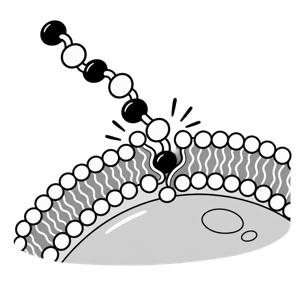
Acts like a shield against daily damage
May calm swelling and redness
What the Research Shows
Best of all, we can actually measure it — and the studies show real collagen.
More than 50 years of studies behind it

~70%
of people in a 12-week study showed more skin collagen
What It Helps With
Firmer skin
Softer fine lines
Faster healing
Hair support
Two Ways to Use It
Here’s a rare perk: GHK-Cu is one of the only peptides you can get two ways.
Rub-on serums — no prescription, the easy place to start
Look for 1–2% GHK-Cu on the label
Shots — prescription, explored for broader repair (the evidence there is thin)
Microneedling (tiny needles at a skin clinic) — helps it sink in deeper
What to Expect
Wk 1
Start cleanPut it on clean skin once or twice a day.
2–4
Be patientBuilding collagen is slow — keep going every day.
8–12
See a changeSkin starts looking firmer, smoother, and more hydrated.
Photos
Track itSame light, same angle every 2 weeks shows the slow changes.
Good to Know
It’s famously gentle — but a few small habits make it work even better.
Little to no irritation — unlike retinol (the strong vitamin A cream)
Lots of people use both GHK-Cu and retinol

Wear SPF 30+ sunscreen daily — the best anti-aging habit
Most human studies are still early but promising
Common questions about GHK-Cu
Short answers to what people search for most. The sections above have the full picture.
What is GHK-Cu?
A tiny three-amino-acid peptide (glycine–histidine–lysine) bound to a copper ion. It occurs naturally in human plasma and declines with age, which is where the interest in topping it up comes from. Copper peptides, explained →
Is GHK-Cu FDA-approved?
Not as a drug. It's widely used as a cosmetic ingredient in serums and creams, which is legal. Injectable GHK-Cu has not been approved for any use. Which peptides the FDA has cleared →
Does it actually do anything for skin?
Small studies on topical GHK-Cu report improvements in skin firmness, fine lines and elasticity over several weeks. The studies are small and some are industry-funded, so treat it as promising rather than proven. Peptide serums compared →
Can it help with hair?
Lab and animal work suggests it may support hair follicles, and it shows up in many hair serums. Human evidence is thin. Copper peptide hair serums compared →
Are there side effects?
Topically, mild irritation or redness is the main report. Some formulators advise not layering it with strong acids or high-strength vitamin C in the same step. Injectable GHK-Cu has no established safety record.
What's the difference between topical and injected GHK-Cu?
Topical products are cosmetics and act on the skin surface. Injections are sold by "research" vendors and unlicensed clinics, aren't approved, and skip the safety testing a drug would get. Clinical evidence for GHK-Cu →
Sources
Every number on this page traces back to one of these — FDA labels and announcements, peer-reviewed trials, and clinical references.
Ready to try it topically?
GHK-Cu is available over the counter as copper peptide serums. See the ones we rank highest — with what to look for and current Amazon prices.
The 6 Best GHK-Cu Copper Peptide Serums on Amazon →Important: This guide is for education only and isn’t medical advice — always talk to a licensed physician before starting, stopping, or changing any treatment. Much of the GHK-Cu research is early, done in labs and on animals, and human studies are still small. Prescription GHK-Cu shots are not FDA-approved for these uses. We may earn a commission from links, which never influences our recommendations.
Different peptides, different jobs. Which one are you trying to learn about?
Not sure? Take the 60-second quiz →
Comments