
5 THINGS TO KNOW ABOUT
MOTS-c
A tiny peptide from your cells’ power plants, studied for energy
A peptide is a tiny chain of protein building blocks your body also makes.

Betty: Betty here! Most peptides come from the main office — the DNA in your cell’s nucleus. MOTS-c is the odd one out: it is written in the tiny, separate DNA tucked inside your mitochondria, the little power plants that make your cells’ energy. Think of MOTS-c as a short memo the power plant scribbles and sends upstairs about how the day’s energy is going — your body already writes a little of it on its own.1

Ace: When you exercise, your cells flip on a master switch called AMPK — think of it as the cell’s “low-fuel light” that tells the body to burn blood sugar (the fuel your body pulls from food) for energy. In animal studies, MOTS-c flips that same switch without the workout, so scientists call it an “exercise mimic.”12 Mice given it handled blood sugar better and ran longer. The honest catch: nearly all of that is in mice — the first real study in people only started in 2026.3

Betty: My honest take? A memo that acts like a workout is a genuinely cool idea — if you are a mouse. In people, MOTS-c is not an approved medicine yet, the human studies are only just beginning, and quality can vary wildly between unofficial sellers. So the smart move is to ask a doctor, not a random seller.
What MOTS-c Is
Start with the strangest part — the oddly specific place this peptide is written down.
It is written in the DNA of your mitochondria — the tiny power plants that make energy inside every cell, and the only part of you with its own little genome.
That makes it a mitochondrial-derived peptide: a short message your power plants send out about how energy is going.
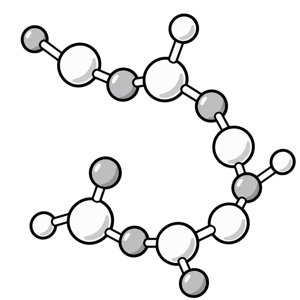
Scientists are studying it for energy and how the body turns food into fuel.
It is still research-stage — not an approved medicine.
How It Works
So what is it actually doing in there? It seems to flip one important switch.
In animals, MOTS-c switches on AMPK — the cell’s energy master-switch, the same one a workout turns on.1
With that switch on, cells burn blood sugar (the fuel your body pulls from food) more easily.

What the Research Shows
Add it all up and, honestly, we are still right at the beginning.
The animal results look promising, but the human evidence is still early and small.3

Early
human research is only just starting
What It’s Explored For
A short list of the few areas researchers are actually poking at.
Blood sugar
Energy
Stamina
Healthy aging
Where It Stands
Where it really stands today — the settled parts and the open ones, in one place.
MOTS-c is not FDA-approved, and it is not on the FDA’s list of ingredients pharmacies are allowed to mix.4
In July 2026, an outside panel that advises the FDA voted in favor of letting pharmacies make it — but FDA staff advised against.4

That vote is advice only — the FDA has not made its final call, so this could still change.
The human research is only just beginning, so ask a doctor or nurse — not a random seller — first.3
Common questions about MOTS-c
Short answers to what people search for most. The sections above have the full picture.
What is MOTS-c?
A 16-amino-acid peptide encoded by mitochondrial DNA rather than the cell nucleus. In mice it influences how muscle handles sugar and fat, which is why it's discussed for metabolism and exercise.
Does MOTS-c help with weight loss or fitness?
In mice, it improved insulin sensitivity and exercise capacity. In people, a MOTS-c analog reached early clinical trials but nothing has been approved, and no human weight-loss benefit has been shown. Clinical evidence for MOTS-c →
Is MOTS-c FDA-approved?
No, for any use. Which peptides the FDA has cleared →
Is MOTS-c legal?
It's sold as "research use only" material, which isn't legal to market for human use. Peptide legality by state →
What are the side effects?
Unknown in humans. No published safety data for the research-vendor product. What has evidence for energy →
Sources
Every number on this page traces back to one of these — FDA labels and announcements, peer-reviewed trials, and clinical references.
The science is still being written
MOTS-c is an early-stage experimental peptide, not an approved medicine. The first human trials are only just underway and the FDA has yet to make its call — we will update this page as the story unfolds.
Browse our peptide guides →Important: This page is for education only and is not medical advice. MOTS-c is not FDA-approved and is not on the FDA 503A compounding list (the FDA’s list of ingredients pharmacies are allowed to mix into custom medicines). Most research is early, done in labs and animals, with limited reliable human data. In July 2026, a group of outside experts who advise the FDA voted in favor of letting pharmacies make it, but FDA staff disagreed. That vote is advice only. The FDA has not made its official final decision as of August 2026, so this could still change. Nothing here is an offer to sell or a recommendation to use MOTS-c.
Different peptides, different jobs. Which one are you trying to learn about?
Not sure? Take the 60-second quiz →
Comments