
7 THINGS TO KNOW ABOUT
SERMORELIN
A friendly visual guide to the prescription growth-hormone peptide
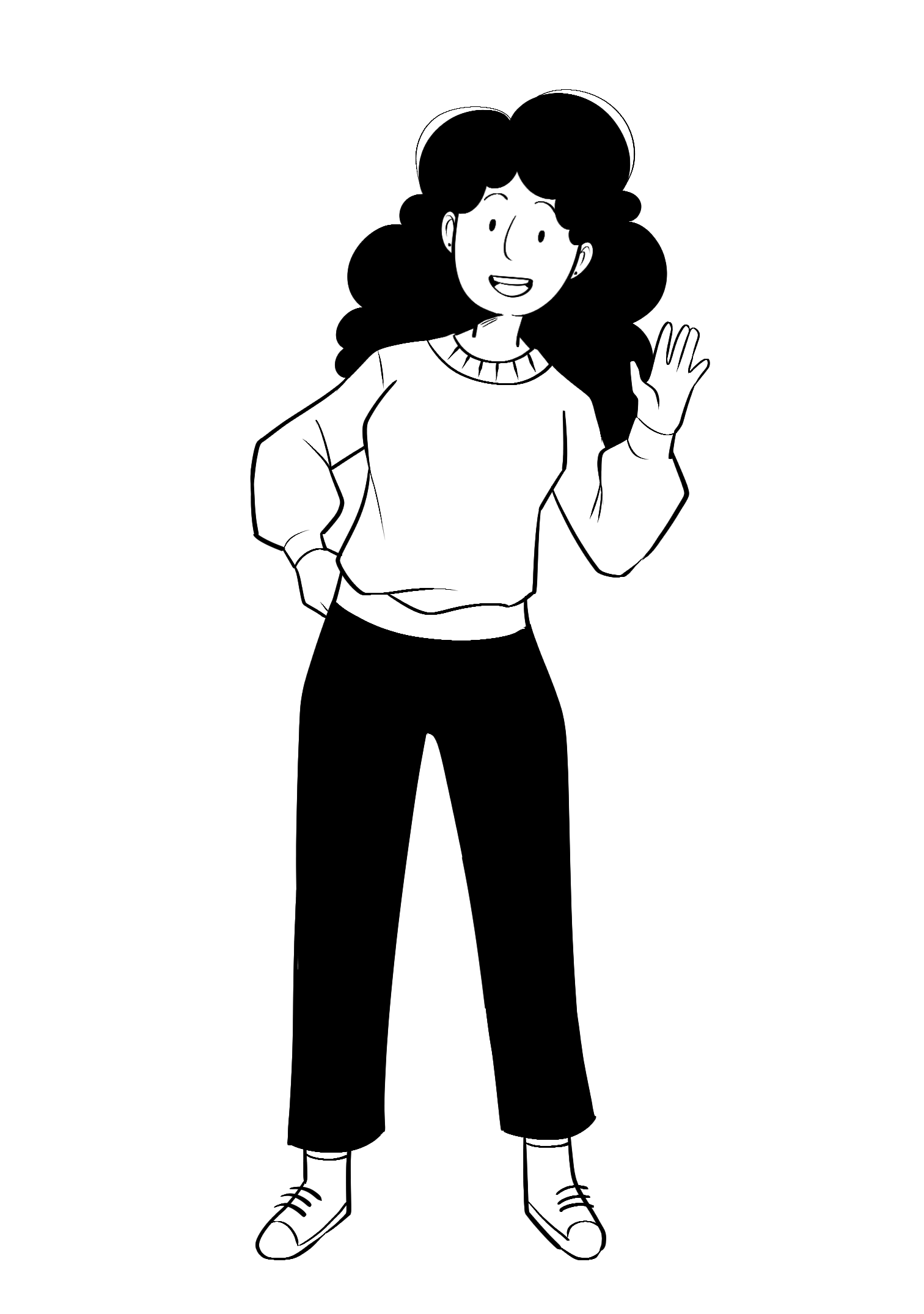
Betty: Hi! I’m Betty. Here’s the clever twist. Sermorelin doesn’t hand you growth hormone — the body signal tied to sleep, muscle, and recovery. Instead it nudges your body to make its own. It taps your pituitary (a pea-sized gland at the base of your brain) and says, “your turn.” Your biggest natural burst comes in deep sleep, so it’s usually taken at night. It needs a doctor’s prescription, and so far the human evidence is limited.

Ace: Here’s the science, made simple. A man-made growth-hormone shot floods your body all at once. Sermorelin does the opposite. It signals your pituitary to release your own growth hormone in pulses (natural on-and-off bursts) — the pattern your body already uses. Your largest natural burst lands in deep sleep3, which is why it’s taken before bed. Clinics have studied this make-your-own approach for better sleep, less fat, and recovery2. But the human evidence is still limited, and it’s used only under a doctor’s care.

Betty: Is it FDA-approved today? Honest answer: it once was — for children, under the name Geref1 — and it was pulled for business reasons, not safety. Today it comes only from compounding pharmacies (pharmacies that mix medicines to order). So it’s prescription-only. A licensed doctor prescribes it and keeps watch. Because it works with your body’s own rhythm instead of flooding it, many call it the gentler cousin of man-made growth hormone.
What Sermorelin Is
First, the clever twist — it doesn’t hand you growth hormone; it nudges your own body to make more.
A peptide — copies your body’s natural “make more” message
Your own gland does the work, not a man-made hormone
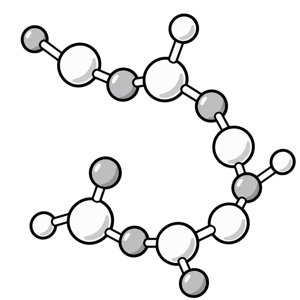
A small shot under the skin, usually before bed
Used by anti-aging clinics for decades
How It Works
So what actually happens inside? It copies a message you already make — and lets your own gland do the work, in gentle bursts instead of a flood.
Copies a natural messenger — tells your gland to release growth hormone
Doesn’t shut off the growth hormone you already make
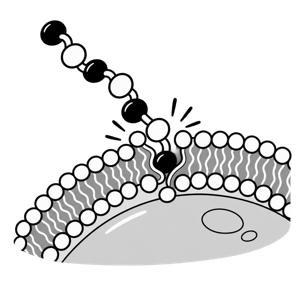
Your biggest release happens while you sleep
Any changes tend to build slowly over 3 to 6 months
Commonly Reported
Deeper sleep
Leaner body
Faster recovery
More energy
The Sleep Surprise
Many people say sleep is the first thing they notice — but results vary.
Your biggest growth-hormone burst happens during deep sleep

Usually taken before bed to work with that natural burst
What to Expect
Wk 1-2
Better sleepMany people say sleep feels deeper — often the first thing they notice. Results vary.
Wk 3-4
Energy & recoverySome report more energy and easier recovery after exercise. Not everyone feels this.
Wk 6-12
Body changesSome people report less fat and more lean muscle when they train and eat well alongside it — results vary, and the human evidence is still limited.
Who It’s For
Over 40, feeling the dip
Sleeping poorly
More belly fat, less muscle
Slow to bounce back
Good to Know
Last, the honest part — here’s what matters.
Needs a prescription and a licensed doctor watching over it

May have fewer side effects — your body sets how much to release
Common questions about Sermorelin
Short answers to what people search for most. The sections above have the full picture.
Is sermorelin FDA-approved?
It was. Sermorelin was approved in the 1990s under the brand Geref® for growth hormone deficiency in children, and the manufacturer discontinued it in 2008. There is no FDA-approved sermorelin product on the market today; it's prescribed through compounding pharmacies. Which peptides the FDA has cleared →
How is sermorelin different from HGH?
HGH (somatropin) is growth hormone itself. Sermorelin is a copy of the first 29 amino acids of GHRH — the signal that tells your pituitary to release your own growth hormone. Your body's feedback loop stays in charge of how much is released. Somatropin evidence →
What does the evidence show in adults?
The approved use was in children. In adults, the published studies are small and mostly older, looking at growth hormone levels, body composition and sleep. That's a thinner evidence base than the FDA-approved GLP-1s on this site. Clinical evidence for sermorelin →
What are the reported side effects?
Injection-site reactions (redness, swelling, pain) are the most common, along with flushing, headache and dizziness. Anyone with an active cancer, or a history of one, needs a physician's judgment before using anything that raises growth hormone.
Is sermorelin legal?
It's prescription-only. A licensed clinician can prescribe it and a licensed compounding pharmacy can fill it; buying it from an unlicensed "research" vendor is a different matter. Peptide legality by state →
How does it compare with ipamorelin or CJC-1295?
All three aim to raise your own growth hormone, but ipamorelin and CJC-1295 have never been FDA-approved for any use. Sermorelin is the only one with an approval in its history. Ipamorelin evidence → · CJC-1295 evidence →
Sources
Every number on this page traces back to one of these — FDA labels and announcements, peer-reviewed trials, and clinical references.
Curious about gentle growth-hormone support?
See how sermorelin compares with the other growth-hormone peptides — and what to talk over with your doctor.
Explore peptides →Important: This guide is for education only and isn’t medical advice — always talk to a licensed physician before starting, stopping, or changing anything. Sermorelin needs a prescription and was once FDA-approved for children (as Geref, later discontinued for commercial, not safety, reasons). Today it is available only as a compounded medication (custom-mixed by a licensed pharmacy) prescribed and monitored by a licensed physician; no FDA-approved sermorelin product is currently on the market. We may earn a commission from links to providers, which never influences our recommendations.
Different peptides, different jobs. Which one are you trying to learn about?
Not sure? Take the 60-second quiz →
Comments