
7 THINGS TO KNOW ABOUT
NAD+
The friendly visual guide to your cells’ spark plug

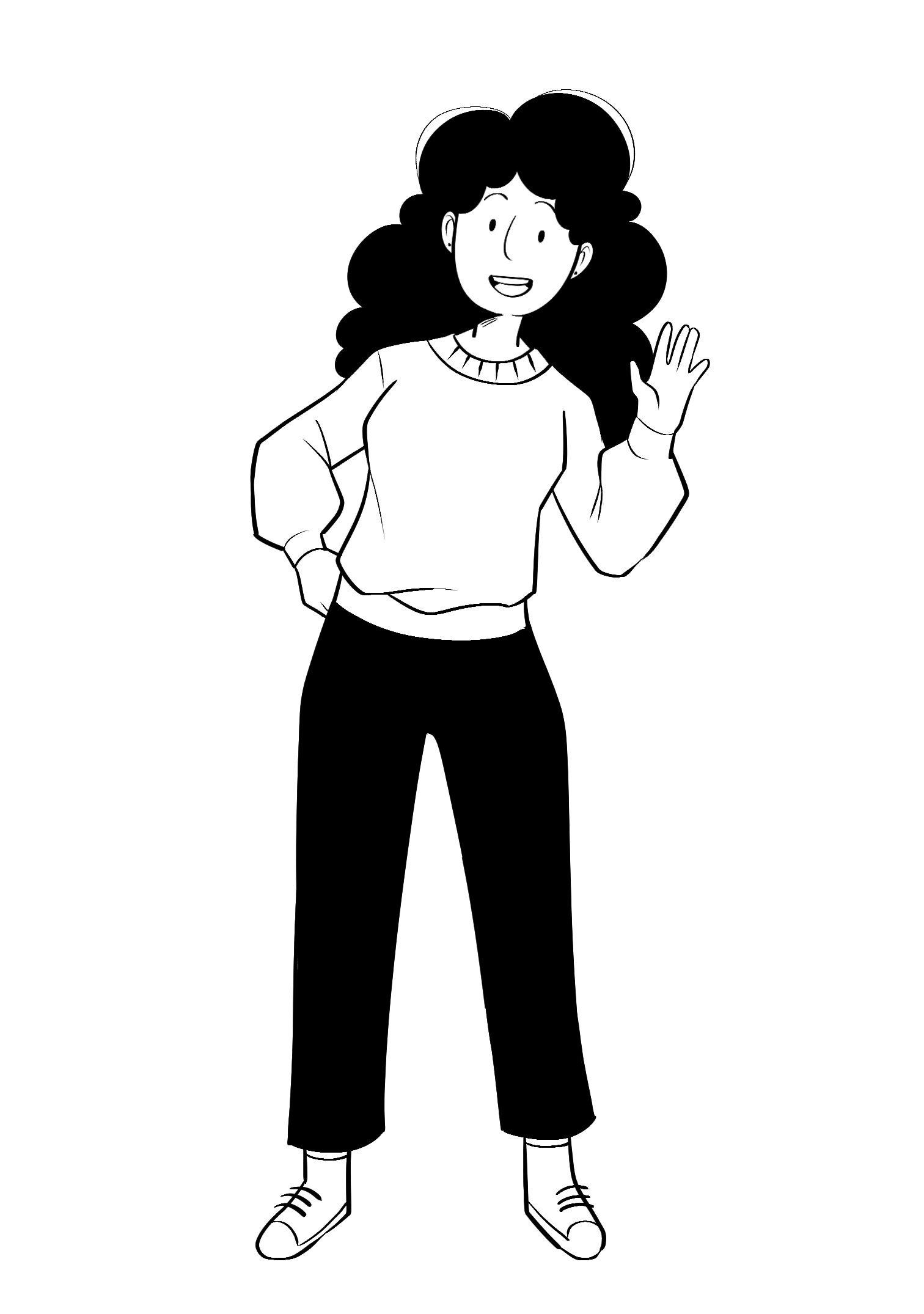
Betty: Hi! I’m Betty. Quick confession — NAD+ isn’t really a peptide. It’s a coenzyme, which is just a fancy word for a tiny helper molecule. People ask us about it non-stop, so here we are! Picture it as the spark plug in every one of your cells — the little part that lights your food and turns it into energy. The twist? Your body makes less of it as you age. That’s when the anti-aging world lost its mind. Let’s take the honest tour!

Ace: Here’s the science, no hype. NAD+ is like a spark plug in every cell. It turns food into energy and fixes DNA, your cell’s instruction book. It runs hundreds of jobs4. In tissue studies, NAD+ drops with age1. But newer blood tests aren’t so sure3. Now the honest part. NMN and NR are precursors — building blocks your body turns into NAD+. They raise NAD+ in your blood. But human trials haven’t shown them turn back the clock2. A bigger number is not the same as feeling younger.

Betty: You made it! Here’s my honest take: a spark plug can’t do much with an empty tank. Fill the tank first — sleep, food, movement — that’s the free stuff that truly works. NAD+ isn’t a fountain of youth; it’s one extra layer of support, a fresh spark on top, not a magic switch. If you try it, start curious, notice how you feel, and be okay with a shrug.
What NAD+ Is
First things first: NAD+ is a tiny helper molecule — a coenzyme — tucked inside every cell you own.
Think of it as your cells’ spark plug — it lights the spark that makes energy
Keeps over 500 jobs in your body running
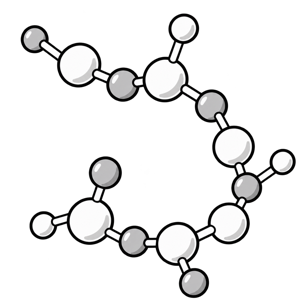
Fuels your cells’ tiny power plants
Helps fix damaged DNA, your cells’ instruction book, every day
Why People Top It Up
So why the obsession? Some studies of human tissue, like skin and muscle, suggest NAD+ falls with age1. Newer blood studies aren’t so sure3. Here’s the classic picture — with honest question marks.
Age 20
Full tankIn tissue studies, younger adults show the highest NAD+ levels. Cells make energy and fix damage with ease.
Age 40
Down by half?Some tissue studies suggest levels fall a lot through midlife. Recent blood studies question how universal that drop is.
Age 60
Running low?If levels do fall, cells have less fuel. Researchers think this may add to tiredness and brain fog, but that link is not proven in people.
Age 80
Just a fraction?In those same tissue studies, only a small share is left, which is why topping it back up sounds so appealing.
What It Does Inside Cells
How it actually works: NAD+ is the spark that lets your cells turn food into energy and run their daily repairs4.
Makes energy — turns your food into cell fuel
Repairs DNA — runs the tools that fix daily damage
Flips on repair switches tied to healthy aging
Helps set your sleep-wake clock
What It May Support
Notice the words “may support.” These are the perks people hope for — promising, but not promises.
Steadier energy
Clearer thinking
Better sleep
Faster recovery
Ways to Take It
Say you want to try it — here are the ways, from easiest to most hands-on. Exact absorption numbers haven’t been measured in people, so think ranking, not math.
Pills (NMN/NR), the building blocks your body turns into NAD+: easiest start, but much breaks down in your gut, so the least gets through
Nasal spray: no needles, but absorption has never been tested in people
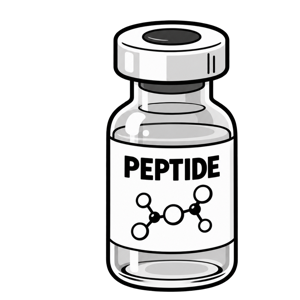
At-home shots: a small shot under the skin; how much actually reaches your blood in people has not been measured
IV drips: a slow drip into a vein at a clinic; 100% by definition
What to Expect
Blood NAD+ rises within weeks. Whether you feel anything is far less certain2, so hold expectations loosely.
Wk 1–2
Small shiftsSome people sleep a little better and feel clearer. Others feel nothing yet.
Wk 3–4
Levels up, feelings varyBlood NAD+ is clearly higher by now. Some users report better energy or focus, but careful studies have not confirmed those felt benefits.
Mo 2–3
The honest check-inIf you feel steadier, great. If you feel nothing, you are not doing it wrong. Studies show raised levels, not guaranteed feelings.
Set Expectations
NAD+ isn’t a fountain of youth — it’s one extra layer of support.
Nail the free stuff first — sleep, exercise, food, less stress
Best for people over 35 who want a little extra edge
Common questions about NAD+
Short answers to what people search for most. The sections above have the full picture.
What is NAD+?
A coenzyme in every living cell that helps turn food into energy and supports DNA repair. Levels fall with age, which is why it's a focus of longevity research.
Can you actually raise your NAD+ levels?
Yes — human trials show oral precursors like nicotinamide riboside (NR) and NMN raise blood NAD+ levels. Whether that translates into feeling or aging better is what's still being studied; the human benefit data are early.
Is NAD+ FDA-approved?
No. NR is sold as a dietary supplement; NMN's supplement status has been contested by the FDA in recent years; and IV or injectable NAD+ comes from compounding pharmacies or clinics rather than an approved product. Peptide and supplement legality →
What's the difference between NAD+ drips, injections and pills?
Oral NAD+ itself is poorly absorbed, so most pills use precursors (NR, NMN). Drips and injections deliver NAD+ directly but come from compounders, cost more, and haven't been tested head-to-head against precursors in good trials. NAD+ providers compared →
Are there side effects?
Precursors are generally well tolerated; flushing, nausea and headache are reported. Fast IV infusions can cause chest tightness, cramping or nausea, which is why clinics run them slowly.
Is NAD+ a peptide?
No — it's a coenzyme, not a chain of amino acids. It sits on this site because it shows up in the same longevity conversations and clinics as the peptides do. Longevity guide →
Sources
Every number on this page traces back to one of these — FDA labels and announcements, peer-reviewed trials, and clinical references.
Want to find the right fit?
See how the top NAD+ providers compare on price, format, and quality — and find one that matches your goals.
Compare the best NAD+ providers →Important: This guide is for education only and isn’t medical advice — always talk to a licensed physician before starting, stopping, or changing any therapy. NAD+ therapy is not FDA-approved to treat any illness and is used as a wellness option under a doctor’s oversight; human research is still early. We may earn a commission from links to providers, which never influences our recommendations.
Different peptides, different jobs. Which one are you trying to learn about?
Not sure? Take the 60-second quiz →
Comments