
7 THINGS TO KNOW ABOUT
Liraglutide
The daily GLP-1 shot sold as Saxenda® and Victoza®
A peptide is a tiny chain of protein building blocks your body also makes.


Betty: Meet liraglutide. After you eat, your gut writes a little “I’m full” note. It hands that note to your brain so you know to stop eating. Liraglutide is a lab-made copy of that note. Here’s the fun part: it was the very first GLP-1 shot anyone made. It came years before today’s weekly ones. The trade-off? This copy fades fast. So you send a fresh one every single day. There are cheaper generic copies now too (generic means the same medicine, just without the brand name). Seven quick stops and you’ll know it inside out. Let’s go!

Ace: Halfway there! Let’s see what that “I’m full” note really does. GLP-1 is the gut hormone that liraglutide copies. It does three jobs at once. First, it tells your brain you’re full. So you reach for less food2. Second, it slows how fast your stomach empties. So that full feeling lasts longer, instead of fading in minutes. Third, it nudges your pancreas — the organ tucked behind your stomach. It tells the pancreas to release insulin, the hormone that clears sugar out of your blood. But it does this only when your blood sugar is running high. That helps keep your blood sugar steady2. In the big trial, that helped most people lose at least 5% of their body weight1. The one big difference from the newer shots is timing. This copy fades in about a day. So it’s a daily pinch. The weekly ones are built to last a full seven days2. Same note — shorter battery. Two brands run on it. Let’s meet them.

Betty: You made it through all seven! Here’s the honest wrap-up. Liraglutide is a real, FDA-approved medicine. It went through the big trials and passed. It’s the daily version of that “I’m full” note. So the trade-off is a small pinch every day. And the newer weekly shots tend to take off a bit more weight. The good news: it’s proven, and it’s been used by millions. Cheaper generic copies now exist too. So it costs less than it used to. Nausea (an upset, sick-to-your-stomach feeling) is the most common side effect. It usually shows up early and then fades. Just start it with a doctor or nurse. They can size the dose to you. Want to meet the two brands up close? The guide below is next.
What Liraglutide Is
First things first — where does it come from? Your own gut.
A lab-made copy of GLP-1 — a gut hormone that tells you you’re full after meals
One of the first GLP-1 medicines — FDA-approved since 2010 (the FDA is the U.S. agency that approves medicines)

Sold as Victoza® (type 2 diabetes) and Saxenda® (weight loss)
A daily shot, unlike the newer weekly ones
How It Works
Okay — so what does it actually do once it’s inside you?
Tells your brain you are full, so you eat less
Slows how fast food leaves your stomach
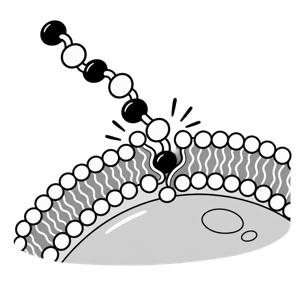
Helps steady blood sugar after meals
Works alongside healthy eating and movement, not instead of them
What the Research Shows
Unlike research-only peptides, this one went through the big human trials.
Tested in large human trials with thousands of people — that is how it earned FDA approval

5%+
most people in the big trials lost at least 5% of their body weight1
What It’s Used For
So what do doctors actually prescribe it for?
Weight loss
Type 2 diabetes
Steadier blood sugar
Appetite control
The Brands
One molecule, two names — here’s who’s who.
Victoza® — for type 2 diabetes (approved 2010)
Saxenda® — for weight loss (approved 2014)
Generic versions — cheaper copies of the same medicine — now exist
Same molecule — different doses for different jobs
Good to Know
Now the honest trade-offs.
It is a daily shot; newer GLP-1s are weekly
Newer medicines tend to give more weight loss

Most common side effect: nausea, especially at first
Prescription only — a doctor decides if it fits you
Regulatory Status
And where it stands with the FDA today.
FDA-approved — a real, regulated medicine
Approved for type 2 diabetes (2010) and weight loss (2014)

Generics approved: diabetes version (2024), weight-loss version (2025)
Prescription only — always through a doctor or nurse
Common questions about Liraglutide
Short answers to what people search for most. The sections above have the full picture.
What's the difference between Victoza and Saxenda?
Both are liraglutide. Victoza® is approved for type 2 diabetes; Saxenda® is approved for chronic weight management at a higher daily dose (3 mg). Both are once-daily injections. Saxenda and Victoza, explained →
Is there a generic liraglutide?
Yes — the FDA has approved generic versions of both Victoza and Saxenda, making liraglutide the first GLP-1 with generic competition. That generally means lower prices than the branded weekly GLP-1s. When peptide patents expire →
How does liraglutide compare with semaglutide for weight loss?
Semaglutide wins on average. In the SCALE trial, Saxenda produced about 8% weight loss over 56 weeks versus about 2.6% on placebo. In the STEP 8 head-to-head, weekly semaglutide 2.4 mg produced roughly 16% versus about 6% on daily liraglutide 3 mg. Compare GLP-1 programs →
Why is liraglutide taken every day instead of weekly?
Its half-life is about 13 hours, so a daily dose keeps levels steady. Semaglutide and tirzepatide were engineered to last about a week.
What are the most common side effects?
Nausea, diarrhea, constipation, vomiting and headache, mostly early on. It shares the class boxed warning about thyroid C-cell tumors seen in rodents. Side effects, week by week →
Is liraglutide a peptide?
Yes. It's a modified copy of the GLP-1 gut hormone with a fatty-acid chain attached, which is what slows its breakdown from minutes to hours. What GLP-1 is →
Sources
Every number on this page traces back to one of these — FDA labels and announcements, peer-reviewed trials, and clinical references.
- SCALE Obesity and Prediabetes trial abstract (Pi-Sunyer et al., NEJM 2015)
- Saxenda (liraglutide) FDA prescribing information (DailyMed)
- FDA press release: Saxenda approved for weight management, Dec 23, 2014 (archived)
- FDA: first generic once-daily GLP-1 injection (Victoza reference) approved Dec 23, 2024
- Teva: generic Saxenda (liraglutide) approved and launched, Aug 28, 2025
Which brand is which?
Saxenda® and Victoza® are the two brand versions of liraglutide. See what each one is for and what their trials actually proved.
Read the brand guide →Important: This page is for education only and is not medical advice. Liraglutide is an FDA-approved prescription medicine, sold under the brand names Victoza® and Saxenda®. Whether it fits you is a decision for you and a doctor or nurse. Side effects are real, and results differ from person to person. Nothing here is an offer to sell or a recommendation to use liraglutide.
Different peptides, different jobs. Which one are you trying to learn about?
Not sure? Take the 60-second quiz →
Comments