
5 THINGS TO KNOW ABOUT
Epitalon
A pineal-gland peptide studied for sleep rhythm and aging
A peptide is a tiny chain of protein building blocks your body also makes.

Betty: Hi, I’m Betty! Epitalon is one of the tiniest peptides anyone studies — just 4 building blocks long. (For scale, the protein in an egg is hundreds.) Scientists built it as a copy of a substance from the pineal gland, a pea-sized gland deep in your brain that works like a tiny clock, telling your body when to sleep and when to wake. So one simple question got everyone curious: could you bottle a note from the brain’s little clock and mail it back in?

Ace: Inside every cell, your instructions sit on long strands of DNA, and each strand is tipped with a telomere — picture the little plastic cap on the end of a shoelace that stops it fraying. Every time a cell copies itself, those caps wear down a little, which is one way cells show their age. The famous Epitalon finding: in human cells grown in a lab dish, the caps grew longer.2 Genuinely interesting — but here is the honest catch: that was cells in a dish, and a dish is not a person.

Betty: So where does that leave us? Epitalon is a tiny note copied from the brain’s clock, and the caps-on-your-DNA story is genuinely cool — if you happen to be a cell in a dish. In people, the proof just is not in yet: the human studies are old and small, and in July 2026 FDA advisers voted 7 to 4 to let pharmacies mix it while FDA staff still said no. Exciting science, unproven medicine — a real open question, and a doctor is the right person to ask about your health, not a seller online.
What Epitalon Is
Start with where it came from — a tiny copy of one of the brain’s own clock signals.
A chain of just 4 protein building blocks — one of the smallest peptides going
A copy of a signal from the pineal gland, the brain’s tiny sleep-clock1
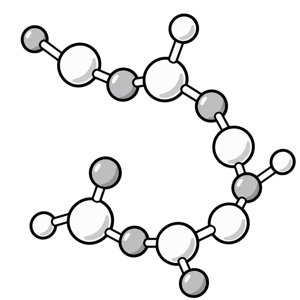
Mostly studied for sleep rhythm and aging, not everyday use
Still research-stage — not an approved medicine
How It Works
The idea researchers keep testing: your DNA’s tiny caps — and whether Epitalon helps them.
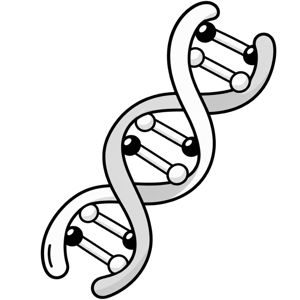
It centers on telomeres — the protective caps on the ends of your DNA, like the plastic tips on shoelaces
Your cells rebuild those caps with a repair crew called telomerase
What the Research Shows
Now the honest part — most of what we have in people is decades old.
The most-cited human studies are older Russian research1, not modern, carefully run trials
Few
modern, carefully run human studies exist
What It’s Explored For
Sleep rhythm
Healthy aging
Cell aging
Cell protection
Where It Stands
The bottom line on approval, evidence, and what to do — in one place.
Marketed for “anti-aging,” but it is not FDA-approved, and not on the FDA’s list of ingredients pharmacies may mix
The human evidence is old and small, and long-term safety is unknown1
In July 2026, an FDA advisory panel voted 7–4 in favor of letting pharmacies mix it — but FDA staff disagreed, so it is advice, not an approval
Bottom line: exciting science, unproven medicine — always talk to a doctor first
Common questions about Epitalon
Short answers to what people search for most. The sections above have the full picture.
What is epitalon?
A four-amino-acid synthetic peptide developed from Russian research on the pineal gland. It's studied for effects on telomerase (the enzyme that maintains chromosome ends) in cells, and on lifespan in animals.
Does epitalon extend life?
In cells and some animal studies, it activates telomerase and animals lived longer. The human studies are small, decades old, from a single research group, and there are no modern controlled trials. Clinical evidence for epitalon →
Is epitalon FDA-approved?
No, for any use. Which peptides the FDA has cleared →
Is epitalon legal?
It's sold as "research use only" material, which isn't legal to market for human use. Peptide legality by state →
What are the side effects?
Unknown in humans beyond the small early studies. No safety database exists. What actually has evidence for longevity →
Sources
Every number on this page traces back to one of these — FDA labels and announcements, peer-reviewed trials, and clinical references.
The science is still being written
Epitalon started as a tiny note from the brain’s clock, and the human chapter has barely begun. We’ll keep this page current as new studies and FDA decisions land.
Browse our peptide guides →Important: This page is for education only and is not medical advice. Epitalon is not FDA-approved and is not on the FDA 503A compounding list (the FDA’s list of ingredients pharmacies are allowed to mix into custom medicines). Most research is early, done in labs and animals, with limited reliable human data. In July 2026, a group of outside experts who advise the FDA voted in favor of letting pharmacies make it, but FDA staff disagreed. That vote is advice only. The FDA has not made its official final decision as of August 2026, so this could still change. Nothing here is an offer to sell or a recommendation to use Epitalon.
Different peptides, different jobs. Which one are you trying to learn about?
Not sure? Take the 60-second quiz →
Comments