
5 THINGS TO KNOW ABOUT
TB-500
A lab-made piece of a natural repair protein, studied for recovery
A peptide is a tiny chain of protein building blocks your body also makes.

Betty: Hi, I’m Betty! TB-500 sounds like a droid from a space movie, but it is really a lab-made piece of thymosin beta-44 — a repair protein your own cells keep on the payroll. Here is the fun part: to fix a wound, your repair cells have to physically crawl over to it. TB-500 is being studied as the little foreman that gets them moving.

Ace: To heal a cut or a torn tendon, repair cells cannot teleport — they have to travel to the damaged spot. They do it by building and rebuilding tiny internal scaffolding called actin, the way a crew shifts scaffolding around a building. Thymosin beta-4, the protein TB-500 copies, manages that scaffolding — so in animal studies, cells crawl to injuries faster, new blood vessels form, and swelling calms down.3 The honest catch: that is mice and lab dishes. Careful human studies? Essentially none.

Betty: So TB-500 is basically a foreman shouting “over here, get moving!” at your repair crew — genuinely clever, if you are a mouse. Two honest catches: no finished human studies, and it is banned in sports, so athletes who use it can flunk a drug test. Exciting science, unproven medicine — a “talk to a doctor” thing, not a “buy it from a forum” thing.
What TB-500 Is
First — where does TB-500 come from?
A lab-made fragment of thymosin beta-4, a protein in your cells
Related to cell movement and repair
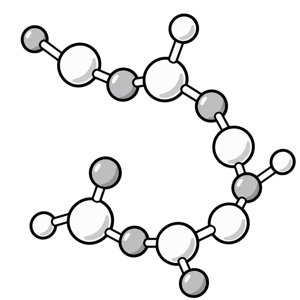
Studied mostly for tissue recovery
Its natural job: help cells build the scaffolding they move on
How It Works
So how could a tiny fragment help you heal?
Repair cells move using actin — tiny scaffolding they build inside themselves
TB-500 helps manage that scaffolding, so cells travel faster
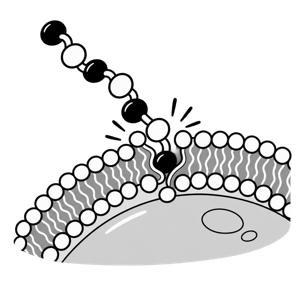
In animals, that means repair cells crawl to a wound faster
It also helped grow new blood vessels and calm swelling
What the Research Shows
Here’s the honest part.
Most studies are in animals or lab dishes; careful human studies are rare

Few
human studies so far — most evidence is from animals
What It’s Explored For
What scientists are hoping it could help:
Muscle recovery
Tendon repair
Flexibility
Wound healing
Where It Stands
Bottom line — is it ready for you?
Common questions about TB-500
Short answers to what people search for most. The sections above have the full picture.
What is TB-500?
A synthetic peptide based on a fragment of thymosin beta-4, a protein found in almost all human cells that helps organize the cell's internal scaffolding (actin). Interest comes from animal studies of tissue repair.
Is TB-500 the same as thymosin beta-4?
Not quite. Thymosin beta-4 is the full 43-amino-acid protein and has been tested in human trials (for wound healing and dry eye). TB-500 is a shorter fragment sold by research vendors and has no human trials of its own. Thymosin beta-4 evidence →
Is TB-500 FDA-approved?
No, for any use. Which peptides the FDA has cleared →
Is it legal to buy?
It's sold as "research use only" material, which isn't legal to market for human use. Peptide legality by state →
Is it banned in sports?
Yes. Thymosin beta-4 and its fragments, including TB-500, are prohibited by the World Anti-Doping Agency.
What are the side effects?
No human safety data exist for TB-500 itself. That gap, not any known harm, is the main reason to be cautious. Clinical evidence for TB-500 →
Sources
Every number on this page traces back to one of these — FDA labels and announcements, peer-reviewed trials, and clinical references.
The science is still being written
TB-500 comes from one of the body’s own repair proteins — and the human chapter has barely started. We will keep this page current as new studies and FDA decisions land.
Browse our peptide guides →Important: This page is for education only and is not medical advice. TB-500 is not FDA-approved and is not on the FDA 503A compounding list (the FDA’s list of ingredients pharmacies are allowed to mix into custom medicines). Most research is early, done in labs and animals, with limited reliable human data. In July 2026, a group of outside experts who advise the FDA voted in favor of letting pharmacies make it, but FDA staff disagreed. That vote is advice only. The FDA has not made its official final decision as of August 2026, so this could still change. Nothing here is an offer to sell or a recommendation to use TB-500.
Different peptides, different jobs. Which one are you trying to learn about?
Not sure? Take the 60-second quiz →
Comments