
5 THINGS TO KNOW ABOUT
Semax
A brain-focused peptide studied for focus and nerve health
A peptide is a tiny chain of protein building blocks your body also makes.

Betty: Hi, I’m Betty! Semax has a passport — it was invented in a Russian lab in the 1980s. Scientists there started with ACTH, a stress hormone your body already makes, snipped out one tiny piece, and tweaked it so the body would not break it down too fast. What were they chasing? A little nose spray that might help the brain. Picture it less like a pill and more like a homemade plant food, mixed up for the mind.

Ace: Your brain cells have their own plant food called BDNF — think fertilizer that helps brain cells grow, stay healthy, and make new connections. In animal studies, Semax is studied for its ability to raise BDNF4, which is why researchers got curious about focus and nerve repair3. The honest catch: that is mostly rats, in Russian labs. In people, this fertilizer effect has not been proven yet.

Betty: So Semax is like a gardener trying to sprinkle extra fertilizer on your brain — a genuinely cool idea, if you are a lab rat. Here is the part nobody likes to hear: nearly all the promising research comes from Russia, and labs in other countries have not repeated it yet. Until they do, it is exciting, not proven. That makes Semax an “ask a doctor” thing, not an “order a mystery spray online” thing.
What Semax Is
First things first — where did this even come from?
Born in a Russian lab in the 1980s — scientists snipped a tiny piece off a stress hormone and tweaked it to last longer
Copied from ACTH — a stress hormone your body makes on its own
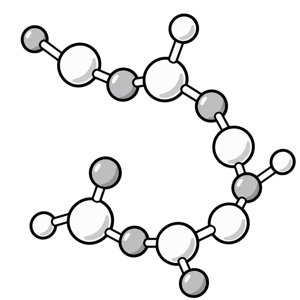
Studied mostly for the brain — think focus and nerve health
Not approved by the FDA — the US group that approves medicines
How It Works
So what does it actually do up in your head?
In animal studies, Semax is looked at for raising BDNF4 — think of it as fertilizer for brain cells
That fertilizer is thought to help brain cells grow, stay healthy, and make new connections

This is the idea behind studying it for focus and for the brain after a stroke — when blood flow to part of the brain stops3
The catch: this is mostly rats and mice — not yet shown in people
What the Research Shows
Here’s the honest part — who has actually tested it?
Most studies saying Semax works come from Russia — and labs in other countries have not repeated them yet. Repeating results is how science makes sure they are real.

0
FDA-approved uses in the United States
What It’s Explored For
The brain jobs scientists are most curious about:
Focus
Brain recovery
Stress response
Nerve health
Where It Stands
Bottom line — where does it stand, and is it ready for you?
Not FDA-approved, and not on the FDA 503A list2 — the list of ingredients pharmacies are allowed to mix into custom medicines
Long-term human safety data is limited
In July 2026, an FDA advisory panel voted 8 to 5 to let pharmacies mix it — but FDA staff disagreed and recommended against it1
The FDA has not made its final call yet, so this could still change. Always ask a doctor or nurse first.
Common questions about Semax
Short answers to what people search for most. The sections above have the full picture.
What is Semax?
A seven-amino-acid peptide based on a fragment of ACTH, developed in Russia and given as a nasal spray. It's studied for effects on attention, memory and recovery after stroke.
Is Semax approved anywhere?
It is registered as a medicine in Russia. It is not FDA-approved and has no approval in the US or EU. Which peptides the FDA has cleared →
What does the evidence show?
Most trials are Russian-language and small, with few independent replications in the English-language literature. Clinical evidence for Semax →
How is Semax different from Selank?
Both are Russian nasal peptides. Semax is studied mainly for cognition and stroke recovery; Selank is studied mainly for anxiety. Selank evidence →
Is Semax legal in the US?
It's sold as "research use only" material, which isn't legal to market for human use. Peptide legality by state →
What are the side effects?
Nasal irritation is reported in the Russian literature; beyond that, safety hasn't been studied outside Russia. What has evidence for cognition →
Sources
Every number on this page traces back to one of these — FDA labels and announcements, peer-reviewed trials, and clinical references.
The science is still being written
Semax is an early, mostly-Russian research story — and the chapter where other labs put it to the test is only just beginning. We will keep this page current as new studies and FDA decisions land.
Browse our peptide guides →Important: This page is for education only and is not medical advice. Semax is not FDA-approved and is not on the FDA 503A compounding list (the FDA’s list of ingredients pharmacies are allowed to mix into custom medicines). Most research is early, done in labs and animals, with limited reliable human data. In July 2026, a group of outside experts who advise the FDA voted in favor of letting pharmacies make it, but FDA staff disagreed. That vote is advice only. The FDA has not made its official final decision as of August 2026, so this could still change. Nothing here is an offer to sell or a recommendation to use Semax.
Different peptides, different jobs. Which one are you trying to learn about?
Not sure? Take the 60-second quiz →
Comments