
4 THINGS TO KNOW ABOUT
KPV
A small peptide studied for calming redness and swelling (inflammation)
A peptide is a tiny chain of protein building blocks your body also makes.

Betty: Hi, I’m Betty! KPV is the tiniest peptide we cover — just three building blocks, and their letters literally spell its name: K, P, V. Here’s the fun part: it’s the tail end of a longer “calm down” message your body already sends, a calming hormone called alpha-MSH. Those last three letters, it turns out, carry a lot of the calm.

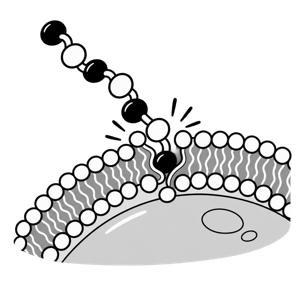
Ace: Inflammation is your body’s fire alarm — lifesaving in a real emergency, miserable when it won’t switch off. Deep in each cell sits the alarm’s master switch, a signal called NF-kB. In mice, KPV slips inside the cell and turns that switch down, which calmed gut and skin inflammation13. The catch: that’s mostly mice, not people yet.

Betty: So do those three little letters actually calm inflammation in real people? Honest answer: nobody knows yet — the tidy mouse results haven’t been proven in humans. If you’re curious, ask a doctor, not a random seller online. We’re watching the FDA sort this one out for you.
What KPV Is
First things first — where does this three-letter peptide even come from?
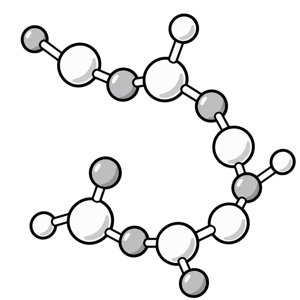
Three tiny building blocks whose letters spell the name: K, P, V
It’s the tail end of alpha-MSH — a calming hormone your body makes2
Mostly studied for calming redness and swelling (inflammation)
Still research-stage — not an approved medicine
How It Works
Okay — so what does it actually do inside you?
What It’s Explored For
The places scientists are most curious about:
Gut inflammation
Skin irritation
Body defenses
Recovery
Where It Stands
Bottom line — is it cleared for you yet? Here’s the honest status.

Common questions about KPV
Short answers to what people search for most. The sections above have the full picture.
What is KPV?
A three-amino-acid peptide (lysine–proline–valine) that is the tail end of alpha-MSH, a hormone involved in calming inflammation. It's studied mostly in cells and in mouse models of gut inflammation. Gut inflammation guide →
Is KPV FDA-approved?
No, for any use. Which peptides the FDA has cleared →
Is there human evidence?
No published controlled human trials. The anti-inflammatory results come from lab and animal work. Clinical evidence for KPV →
Is KPV legal?
It's sold as "research use only" material, which isn't legal to market for human use. Peptide legality by state →
What are the side effects?
Unknown in humans. No safety studies have been published.
Sources
Every number on this page traces back to one of these — FDA labels and announcements, peer-reviewed trials, and clinical references.
- Gastroenterology 2008: oral KPV calms gut inflammation in mouse colitis models (PubMed)
- Exp Eye Res 2006: KPV is the tail-end tripeptide of alpha-MSH (PubMed)
- Endocrine Reviews 2008: alpha-MSH tripeptide anti-inflammatory review, incl. contact dermatitis models (PubMed)
- NCPA: July 2026 FDA advisory committee vote recommending KPV for the 503A bulks list (advisory only, no final rule)
Watching this one
KPV is an experimental peptide, not approved as a medicine. We are watching the FDA decide whether pharmacies may make it, and will update this page as the rules evolve.
Browse our peptide guides →Important: This page is for education only and is not medical advice. KPV is not FDA-approved and is not on the FDA 503A compounding list (the FDA’s list of ingredients pharmacies are allowed to mix into custom medicines). Most research is early, done in labs and animals, with limited reliable human data. In July 2026, a group of outside experts who advise the FDA voted in favor of letting pharmacies make it, but FDA staff disagreed. That vote is advice only. The FDA has not made its official final decision as of August 2026, so this could still change. Nothing here is an offer to sell or a recommendation to use KPV.
Different peptides, different jobs. Which one are you trying to learn about?
Not sure? Take the 60-second quiz →
Comments