
7 THINGS TO KNOW ABOUT
COLLAGEN PEPTIDES
The friendly visual guide to the world’s most popular peptide


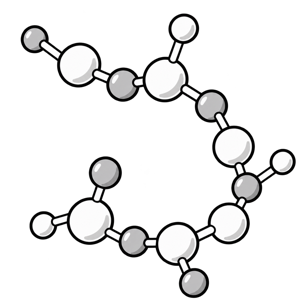
Betty: Hi, I’m Betty! Collagen peptides have the friendliest origin story of any peptide. You’re already making the stuff right now! Collagen is your body’s scaffolding. It’s the tough, springy protein that holds you together and keeps you firm. It holds your skin and your joints. It also holds your tendons — the cords that tie muscle to bone. So why buy it in a tub? Whole collagen is a big, chunky protein. It’s far too large to slip through your gut wall. Picture trying to shove a rolled-up rug through a mail slot. So makers snip it into tiny pieces called peptides. Now each little piece fits right through. A simple scoop of powder can finally get in.

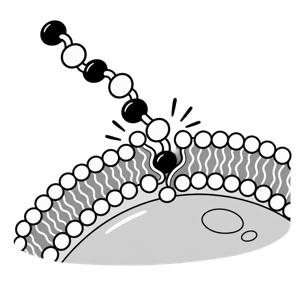
Ace: Once that scoop goes down, your gut breaks the peptides into even smaller bits. Some become single amino acids — the tiny building blocks that make up every protein. Others are short chains of just two or three pieces. These bits slip into your blood. They ride out to your skin and joints. Here’s the clever part. Some pieces don’t just become raw material. They also act like a tiny message. That message nudges the cells that build collagen. Those cells are called fibroblasts — your body’s construction crew. It tells them to get back to work and lay down fresh collagen.2 Does it really show up? Yes. In careful human studies, people took collagen peptides for about 8 weeks. Their skin held more water — that’s what hydrated means. It was also more elastic, which just means springier, so it bounced back better.1 For sore joints, active people tend to feel less ache when they move. So how big is all this? It’s real, but modest. Think a helpful nudge, not a face-lift in a tub.

Betty: And that’s the whole story! Here’s an easy way to picture it. You hand your scaffolding crew a fresh box of supplies. You also add a friendly note that says “get building.” It’s about the easiest upgrade there is. Add one scoop to your morning drink. Add a little vitamin C on the side — it helps your body put collagen together. Then just wait. Skin usually answers first, around 4 to 8 weeks. Joints take a couple of months. It won’t turn back the clock overnight. It’s a gentle daily habit with real results. Give it a couple of months, stay steady, and let it do its quiet work.
What Collagen Peptides Are
First things first — where this stuff actually comes from (spoiler: you already make it).
The most popular peptide in the world
Collagen is the main protein that keeps skin, bones, and joints firm
Comes as a powder you stir into a drink
No prescription — buy them anywhere
How They Work
The simple version: your body breaks the pieces down, then uses them as both supplies and a signal to build.
Skin — gets springier and more hydrated
Joints — eases activity-related pain; early research hints it may support the cushion (cartilage)
Nails — one small study found stronger, faster-growing nails; hair benefits are unproven
Gut lining — may help keep it strong
What the Research Shows
Good news — this is one of the best-studied supplements on the shelf.
Many human studies show real, repeatable changes in skin

~15%
springier skin in 8 weeks
What They Help With
Springier skin
Less joint pain
Stronger nails
Gut support
The Main Types
Peek at any label and you’ll spot Roman numerals — here’s the quick decoder.
Type I — skin, bones, and tendons, the cords that tie muscle to bone (90% of your body’s collagen)
Type III — skin springiness and blood vessels
Type II — the cushion in your joints
Most products use Type I and III
How to Take Them
The easy part: it’s basically a scoop-and-stir habit you do once a day.
Powder — stir into coffee, smoothies, or water (10–15g a day)
Look for hydrolyzed collagen peptides (“hydrolyzed” just means already broken into tiny pieces)
Capsules or liquid — handy, but powder goes further
Take with vitamin C so your body can use it
What to Expect
Day 1
Just startScoop it into your morning drink. No shots, no pharmacy.
4–8 wk
First changesSkin feels more hydrated and springy.
3–6 mo
Joints feel itStudies show less joint pain in active people.
Long-term
Keeps goingSome studies suggest stronger bones over time.
Common questions about Collagen peptides
Short answers to what people search for most. The sections above have the full picture.
What are collagen peptides?
Collagen that's been broken down (hydrolyzed) into short chains of amino acids so it dissolves easily and is absorbed in the gut. It's the form used in powders and capsules.
Do collagen peptides actually work?
The better trials show modest improvements in skin hydration and elasticity, and some show less joint discomfort, after 8–12 weeks of 2.5–10 g a day. Effects are real but small, and many studies are funded by manufacturers. Collagen for joints, compared →
Which type of collagen should you take?
Types I and III (skin, hair, bones) are usually bovine or marine; type II (cartilage) is usually chicken. Marine collagen is mostly type I. Match the type to the goal rather than the marketing. Collagen for hair, compared →
Is collagen FDA-approved?
It's sold as a dietary supplement, which the FDA doesn't approve before sale. Look for third-party testing (NSF, USP, Informed Choice) because supplement quality varies.
Are there side effects?
Fullness, mild digestive upset and an aftertaste are the usual complaints. Check the source if you have fish, shellfish or egg allergies.
Is collagen the same as the peptides prescribed for weight loss?
No. Collagen peptides are a food-derived supplement. Semaglutide and tirzepatide are prescription drugs that copy gut hormones. Same word, very different things. What peptides are →
Sources
Every number on this page traces back to one of these — FDA labels and announcements, peer-reviewed trials, and clinical references.
Ready to buy?
Looking for a quality collagen peptide powder? See the best-reviewed options on Amazon — ranked, with what to look for and current prices.
The 6 Best Collagen Peptides on Amazon →Important: This guide is for education only and isn’t medical advice — always talk to a licensed physician before starting any new supplement. Collagen peptides are a food supplement, not a drug, and results vary from person to person. We may earn a commission from links, which never influences our recommendations.
Different peptides, different jobs. Which one are you trying to learn about?
Not sure? Take the 60-second quiz →
Comments