
Before you read
My grandfather died at 50. My father died at 55. Same side of the family. And I am closing in on 40.
For most of my life, I still thought I understood what being healthy meant. If you could exercise hard, perform at an athletic level, eat decently, stay active, and avoid smoking and drinking, you were probably doing alright. That was how I looked at health.
Then I took a blood test.
And it completely changed the way I looked at my body.
I Avoided Checkups for More Than 20 Years
I’m not proud of this part. I basically avoided doctors and routine checkups for more than 20 years. I started smoking and drinking when I was around 12 years old and continued into my 30s. That was almost 25 years of treating my body pretty badly.
My family and friends would constantly tell me:
“You need to go get checked.”
And I would constantly put it off. Part of it was laziness. I didn’t want to drive to a clinic, sit in a waiting room, or add another appointment to my schedule. And if I’m being completely real, I’ve always hated needles.
So if I felt fine, I simply didn’t go. That was my mentality for years.
Then I Finally Quit Smoking and Drinking
Eventually, I made one of the biggest changes of my life.
I quit smoking.
I quit drinking.
And fitness became a huge part of my life.
For probably the first time ever, I started taking my physical health seriously. I was training constantly. I got stronger, my conditioning improved, and physically I felt better than I had in years. Maybe the strongest I had ever been.
So in my head, I thought:
“I’m healthy now. I don’t drink anymore. I don’t smoke anymore. I work out. I can physically perform. What else is there?”
Turns out, a lot.
A Fitness Injury Is What Finally Got Me Into a Doctor’s Office
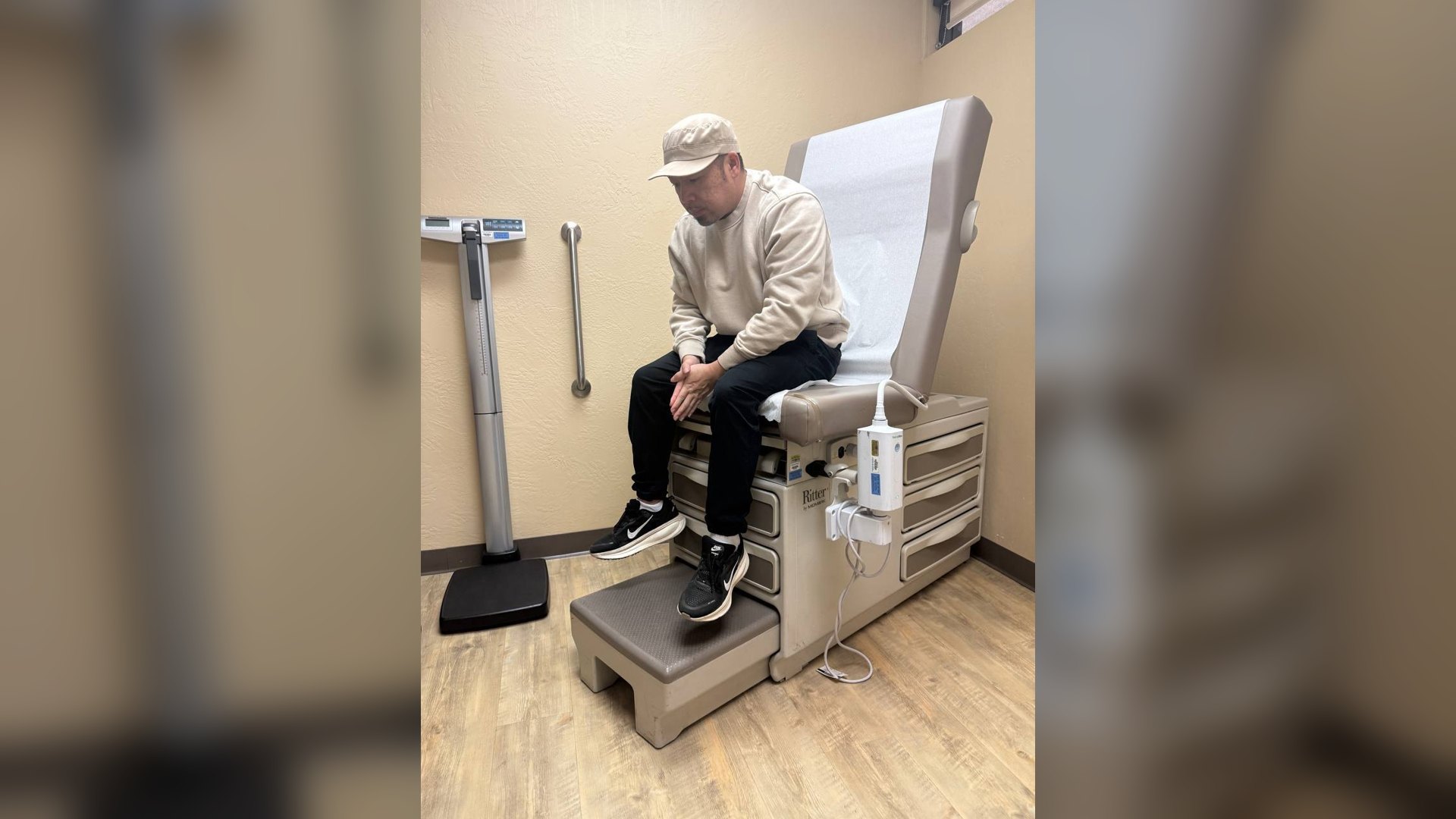
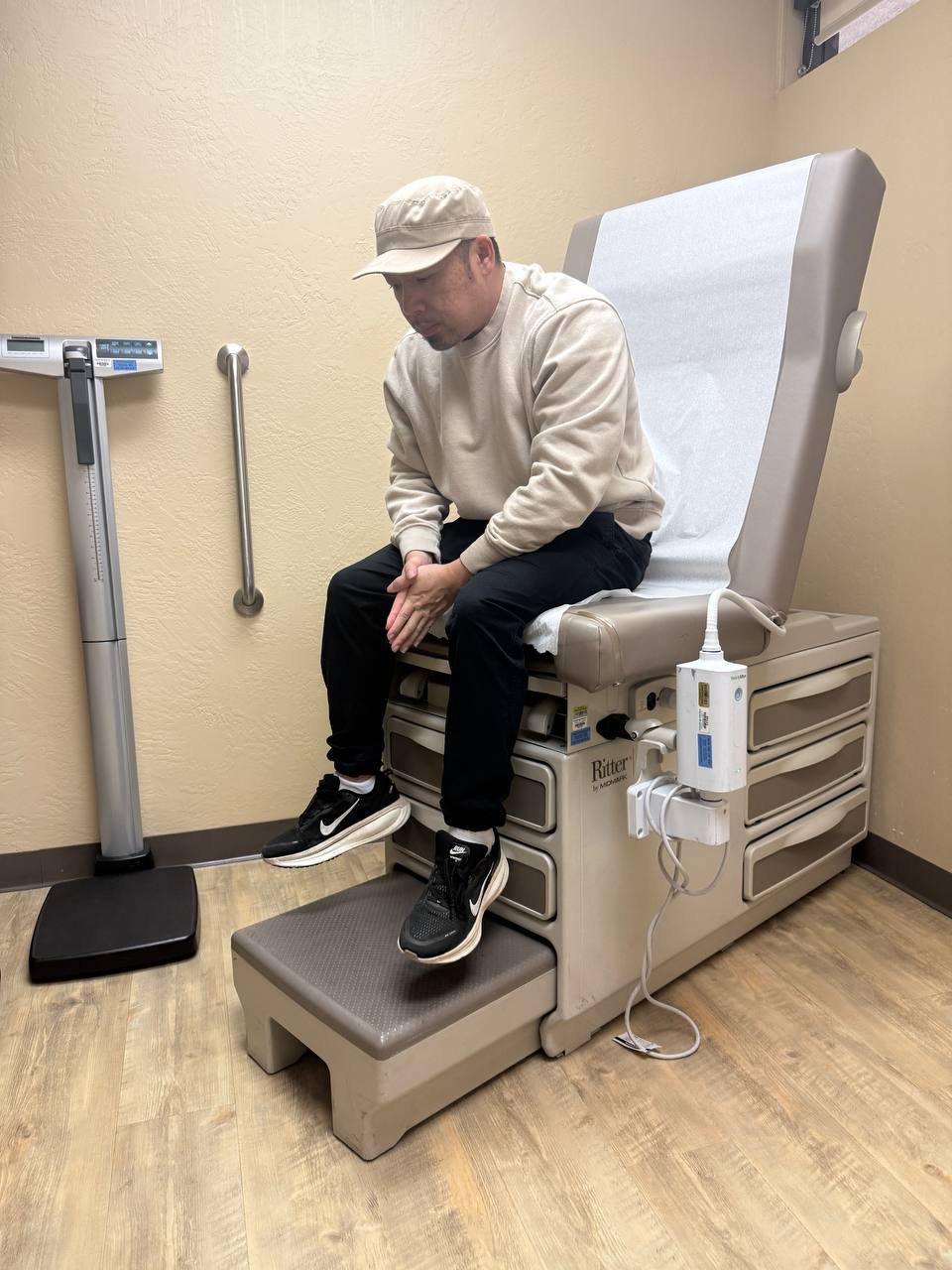
Funny enough, the thing that finally forced me to get checked wasn’t sickness. It was fitness. I got injured during one of my workouts and ended up with a concussion, and that injury put me in a hospital and then into clinics where I finally had to start taking my health more seriously.

At some point, I told them something along the lines of:
“I haven’t really had a proper checkup in more than 20 years.”
Understandably, they started looking at more than just my concussion. They ran bloodwork.
I remember being worried about all of the obvious stuff. After drinking and smoking for that many years, you start wondering:
“What did I do to my liver? What did I do to my kidneys? What did I do to the rest of my body?”
The good news was that the things I had spent years worrying about looked pretty good.
And then they found something completely different.
The Problem Was Something I Couldn’t Feel
I found out I had a serious cholesterol problem that appeared to have a strong genetic component.
That hit me completely differently. Because this wasn’t just some random number on a lab report. It was the same side of the family I lost my grandfather and my father to. Same kinds of concerns. And here I was approaching my 40s.
I remember thinking to myself:
“50 isn’t that far away anymore.”
For the first time, I seriously wondered:
“How much time do I actually have left?”
That thought is different when you’re 20. At 20, 50 feels like another lifetime. When you’re approaching 40, it feels right around the corner.
And what scared me the most was this: I didn’t feel unhealthy. Not even a little. Yet something potentially important was happening inside my body that I would never have known about from looking in the mirror.
That was the moment my definition of health started changing.
My Bloodwork Didn’t Match How Healthy I Thought I Was
Later, I began using biomarker testing to better understand what was actually happening inside my body.
One of my reports showed five numbers.
Here is what each one is in plain words, what a normal number looks like, and where mine landed.
Total cholesterol
HighAll the cholesterol in your blood, added up. Cholesterol is a waxy fat. Your body needs a little of it. Too much can build up inside the tubes that carry your blood.
High. More than one and a half times the healthy line.
LDL cholesterol
Very highThe “bad” cholesterol. It is the kind that sticks to the walls of your blood vessels, like grease building up in a pipe.
Very high. The top category starts at 190.
ApoB
HighA count of how many “bad” cholesterol particles are in your blood. If LDL is the cargo, ApoB is the number of trucks carrying it. More trucks, more chances for a traffic jam in your arteries.
High. Well past the line.
Triglycerides
A little highA type of fat in your blood that comes from the food you eat. Your body turns extra calories into triglycerides and stores them.
A little high. “Borderline high” starts at 150.
Vitamin D
LowA vitamin your skin makes from sunlight, and that you get from a few foods. Your body uses it to pull calcium into your bones.
Low. Under my lab’s line.
In one sentence: my cholesterol was high, the bad kind was very high, the count of bad particles was high, my triglycerides were a little high, and my vitamin D was low.
Normal numbers from MedlinePlus (LDL), MedlinePlus (cholesterol and triglycerides) and Cleveland Clinic (ApoB). The vitamin D range is the one printed on my lab report. Your lab’s ranges may differ a little.
I felt healthy. I was wrong.
You can see your weight. You can feel your strength. You know whether you smoke. You know whether you drink. But there are parts of your health you simply cannot see. I couldn’t bench press and know what my ApoB was. I couldn’t go for a run and know my vitamin D level.
I learned mine from a blood test.
The CDC notes that high LDL cholesterol can increase the risk of heart disease and stroke, and family history is one of the risk factors for high cholesterol that you cannot control.
In plain words: the bad cholesterol can clog the tubes that carry blood to your heart and your brain. And if it runs in your family, you can have it even if you live well.
That made the numbers feel very real.
I Was Worried About the Obvious Things. The Problem Was What I Wasn’t Looking For.
This is probably the biggest lesson I took away from the entire experience. I spent years worrying about what smoking and drinking might have done to me. Those were the obvious things. What ended up getting my attention was something I wasn’t even thinking about.
If you had asked me before all of this:
“Are you healthy?”
I would have said yes. I felt fine.
But feeling fine and knowing what is happening inside your body are two completely different things. That is what biomarker testing taught me.
Then Came the Medication
Because of the cholesterol issue and my family history, I was prescribed rosuvastatin. In my case, 40 mg.
And personally, I hated how I felt on it. My entire body felt sore. That was especially frustrating because fitness had become such an important part of my life. I was trying to become healthier, stronger, and more active, but I felt like the medication was interfering with the thing that was helping me stay active. I also felt like it affected me emotionally.
That was my personal experience. What I do about it is still between me and my doctor.
A note on statins
For me, that experience made me even more interested in understanding my own body. I didn’t want to blindly guess. I wanted data. I wanted to know what was changing, understand my biomarkers, and be educated enough to have better conversations about my options.
That became a big part of my philosophy around Peptides.io.
Why I Started Caring About At-Home Blood Testing
Once I realized I needed to pay attention to my cholesterol consistently, another problem became obvious. I still hated clinics, waiting rooms and needles.
And I’m busy. The idea of constantly scheduling appointments, driving somewhere, sitting in a waiting room, getting blood drawn, then doing it all over again wasn’t exactly appealing to me. That’s why the idea of an at-home blood test made so much sense.
When I finally did one, my reaction was basically:
“This is stupid easy.”
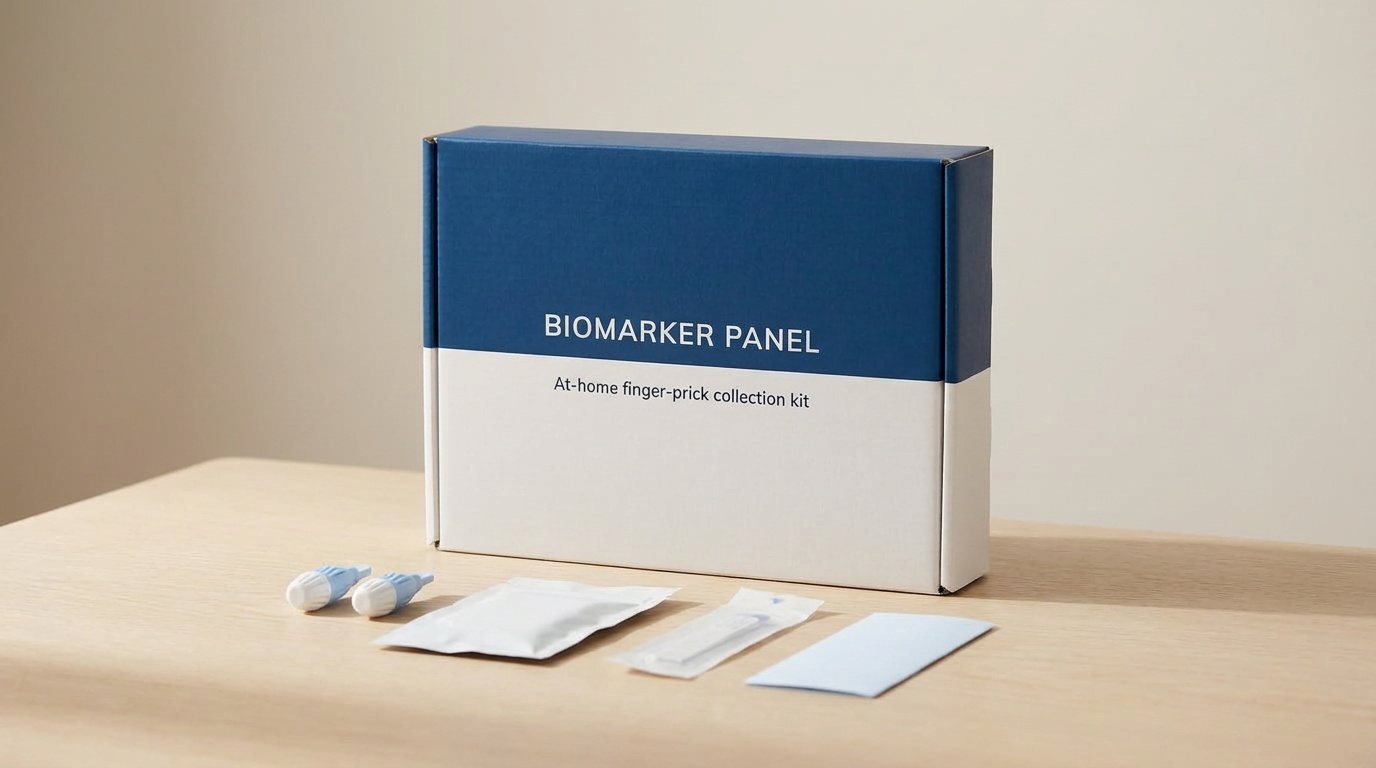
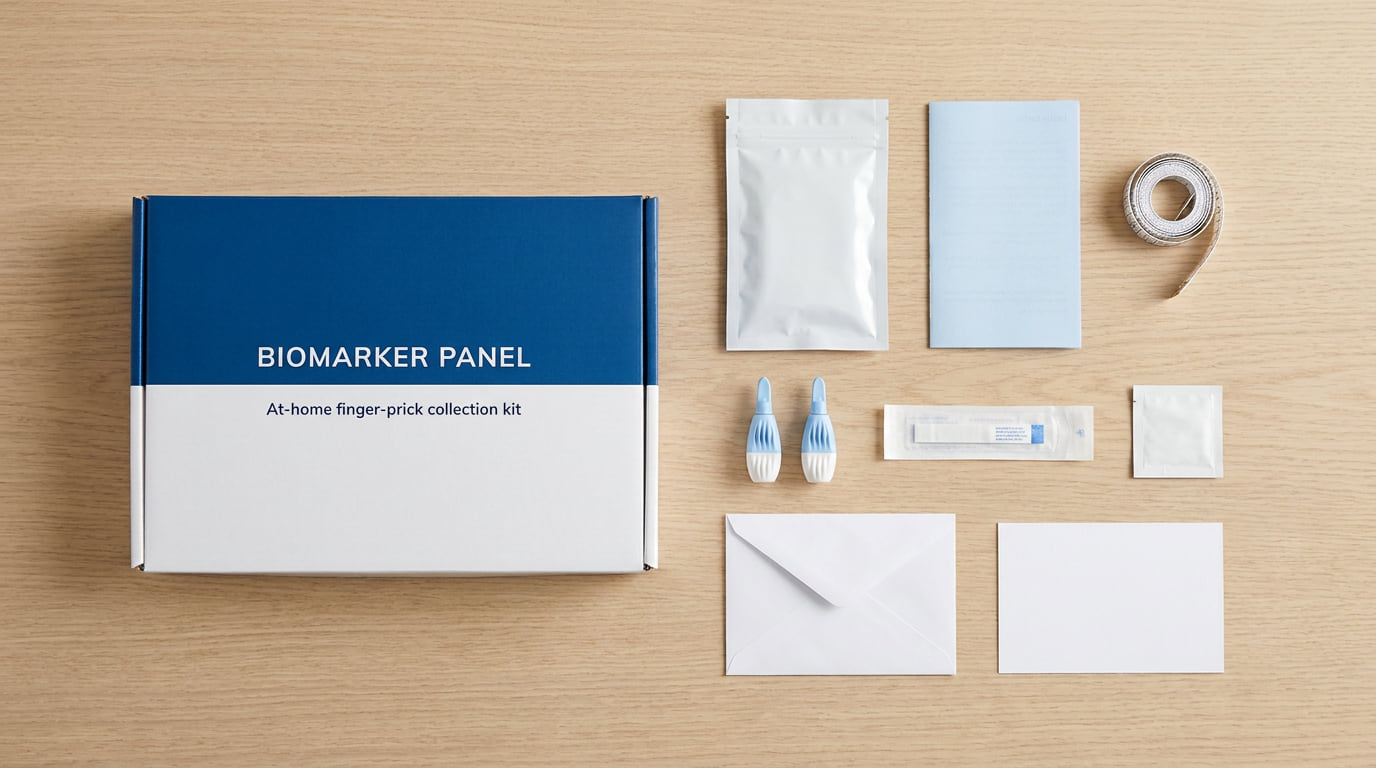
The package showed up. I opened it. Pricked my finger. Collected the sample. Mailed it back. That was pretty much it.
And for someone who had spent most of his life avoiding blood tests because he hated needles? It was practically painless. That is a huge difference.
Current at-home blood testing services commonly use either finger-prick or other remote collection methods, allowing some testing to be completed without a traditional clinic visit.
Why I’m offering this
I put this kit on Peptides.io because it’s the test I wish someone had handed me years ago.
$49.99. One finger prick. Seven biomarkers. Reviewed by a licensed clinician. It comes to your door, you take it at your kitchen table, and you mail the card back in the envelope that comes in the box. $49.99 for your first test, then $89.99 a month, shipping included. Skip a month or cancel anytime.
See the kitAt-Home Biomarker Testing Changed the Way I Think About Health
Before all of this, my definition of health was mostly external.
“Can you move well? Can you lift? Can you run? Are you overweight? Do you smoke? Do you drink? Do you look healthy?”
Those things still matter. But now I think health has another layer:
“What is actually happening inside your body?”
Because some of the things that matter most may not hurt. They may not change the way you look. They may not stop you from going to the gym. You may not even know they exist.
Until you test.
Why We’re Launching At-Home Blood Testing Through Peptides.io
This experience became part of the mission behind what we’re building at Peptides.io. I don’t want people to wait 20 years like I did. I don’t want someone to assume they’re healthy simply because they look healthy. And I definitely don’t want people to feel like they have to become medical experts just to understand their own lab results.
Our goal with blood testing is pretty straightforward:
- Make testing easier.
- Make people more aware of what is happening inside their body.
- Help people track important biomarkers over time.
- Help make those numbers easier to understand.
The goal isn’t to diagnose yourself from a dashboard, and it isn’t to tell anyone what treatment to take. It’s to give people information. Information gives you better questions, and better questions lead to better conversations with the healthcare professionals helping you.
That’s what I wish I had started doing 20 years earlier.
I Don’t Want to Guess Anymore
That’s probably the easiest way to summarize what changed for me. I spent most of my life guessing.
“I feel okay, so I’m probably okay.”
“I work out, so I’m probably healthy.”
“I quit smoking and drinking, so everything should be good now.”
Then I finally looked under the hood, and I realized there were things happening inside my body I had no way of knowing about without testing.
Today, I would rather know. Even if I don’t like the number. Because once you know, you can start asking questions. You can monitor it, learn, talk to your doctor, and make informed decisions.
But you have to know first.
If you have been putting it off
This is the one part I can actually help with.
I cannot tell you what your numbers will say. I can make it easy to find out. Seven markers, including the cholesterol ones that changed my life, from one finger prick at home. Everything about it, including the price, is on the kit page. We ship to every state except NY, NJ and RI.
Take a look at the kitThe Pattern I Want to Break
This is the part that makes this much more personal to me than launching another product.
I wish my grandfather had been able to pay closer attention to his health. I wish my dad had been able to do the same. Maybe earlier testing would have uncovered something sooner. Maybe it wouldn’t have changed everything. I’ll never know.
But I do know this: you can’t pay attention to a number you don’t know exists.
And now I’m approaching the same decades of life when I lost both of them. That stays in the back of my head.
Especially now.
Because my first child is on the way.
Suddenly, living longer isn’t just something I want for myself. There is someone coming into this world who I want to watch grow up. I want to see their childhood. I want to see who they become. I want to be around long enough to meet their children someday.
So this entire experience became about more than cholesterol.
It became about breaking a pattern.
And to My Child
Maybe one day you’ll read this.
And if you do, I want you to understand why Dad became so obsessed with learning about his health.
My grandfather died at 50.
Your grandfather died at 55.
And when I started getting closer to 40, I realized I didn’t want that story to keep repeating itself.
So I started learning.
I started testing.
I started paying attention.
Because:
I had to learn about myself, so I could help myself live as long as possible — and spend the rest of my life with you.
That is what this is really about.
Not numbers.
Not blood tests.
Not biomarkers.
Time.
And hopefully, a lot more of it.
If you have put this off too, this is the kit I would hand you. Have a look →
If you are new to this
Three quick questions, answered
What is an at-home blood test?
A blood test where you collect the sample at home, usually with a finger prick, and mail it to a laboratory instead of starting at a clinic. Different kits measure different things: cholesterol, hormones, inflammation, vitamins, metabolic markers. The important part is knowing what your kit includes, and taking anything unusual to a qualified healthcare professional.
What is the difference between an at-home blood test and biomarker testing?
They overlap. At-home blood testing describes how the sample is collected. Biomarker testing describes what you are measuring. A biomarker is simply something in your body that can be measured: LDL cholesterol, vitamin D, triglycerides and ApoB are all biomarkers. For me, those numbers turned health from something I guessed about into something I could track.
Is an at-home blood test worth it?
I can only answer from my own experience. For me, absolutely. Not because a blood test makes you healthy. It doesn’t. But it showed me something I didn’t know, and what I didn’t know turned out to matter more than everything I had spent years worrying about. Sometimes the value is simply knowing where you stand, especially if something runs in your family.
It does not replace medical care. Results need context, and unusual findings may need confirmation or follow-up with a healthcare professional.
This article is TJ’s personal story and is for information only. It is not medical advice and does not replace care from a licensed clinician. peptides.io sells the at-home blood test described; samples are processed by CLIA- and CAP-accredited partner laboratories, and a licensed clinician reviews results before release.


Comments